About Acoustic Interior Design Solution
An acoustic interior design solution is a comprehensive architectural and design approach focused on
managing, controlling, and optimizing sound behavior within a built environment. It bridges the gap between physics and aesthetics, ensuring that a space not only looks visually stunning but also functions comfortably by reducing unwanted noise, echo, and reverberation. [
1,
2]
Below is a detailed, structured description of how acoustic interior design solutions operate, their core mechanisms, and modern applications.
Core Principles of Acoustic Design
Sound behaves like a wave, bouncing off hard surfaces and soaking into soft ones. Effective solutions utilize a combination of three core mechanisms: [
1,
2]
- Sound Absorption: Using porous or soft materials to trap sound waves and convert them into tiny amounts of heat. This minimizes the sound reflecting back into the room, reducing the "echo chamber" effect. [1, 2, 3]
- Sound Diffusion: Employing uneven, textured, or multi-angled structures to scatter sound waves in multiple directions. This prevents harsh direct echoes while maintaining the natural vibrancy of the room. [1, 2]
- Sound Isolation (Attenuation): Adding dense materials, structural disconnects (like decoupling or floating floors), and air-tight seals to physically block sound from traveling from one room to another. [1, 2]


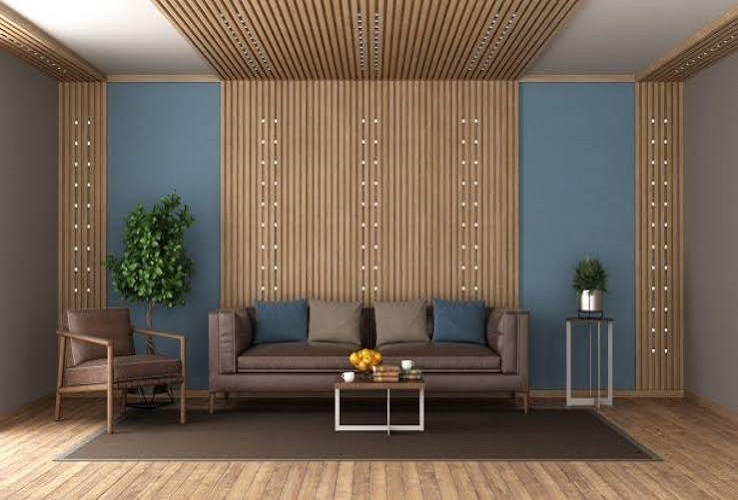
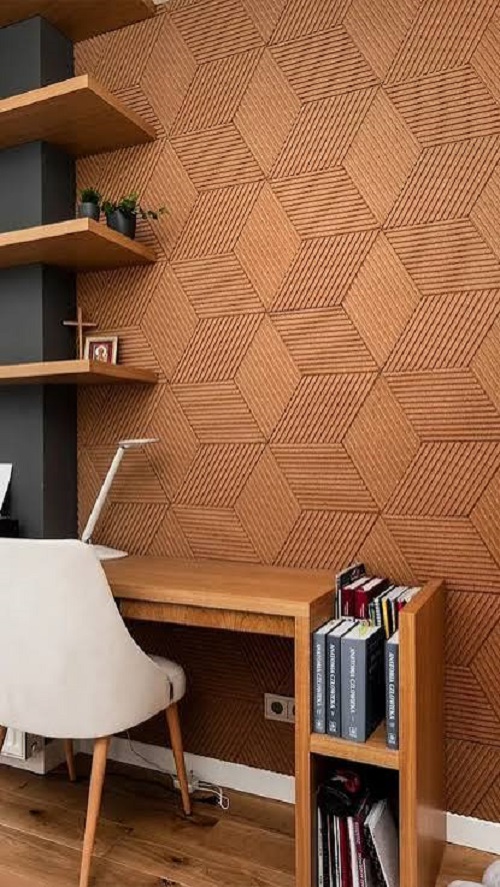
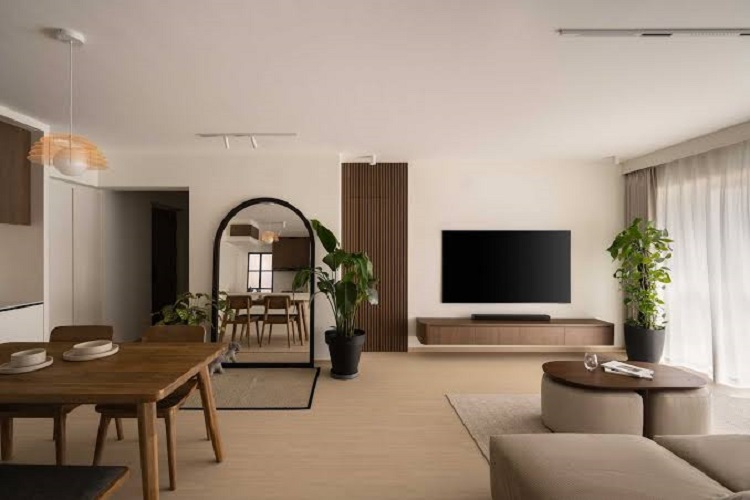


 Send Inquiry


 Send Inquiry
 Send Inquiry
 Send SMS
 Call Me Free
